



You want to pick a Table Tennis Racket that matches your skill level, right? The best choice depends on how you play and what you want to achieve. If you use a racket that fits your abilities, you will improve faster and enjoy the game more. Take a look at this table. It shows how your equipment and technique work together to help you get better:
|
Racket Features |
Description |
|---|---|
|
Racket and Grip |
Your choice affects swing stability and racket control. |
|
Skill Development |
Practice, technique, and equipment all matter for progress. |
|
Impact on Beginners |
The right racket supports strengths and helps with weaknesses. |
Key Takeaways
-
Pick a racket that fits your skill level. Beginners want control. Advanced players look for speed and spin. Try different grips and handle shapes. A grip that feels good helps you control the racket. It also lets you play for a longer time. Notice the weight and balance of the racket. Lighter rackets make you faster. Heavier rackets give you more power. Find rackets that are cheap but still good. Many low-cost rackets help beginners learn well. Keep testing new rackets as you get better. This helps you find the best one for your style.
Skill Level and Table Tennis Racket Choice
Why Experience Matters
When you start learning to play table tennis, your experience shapes what kind of racket works best for you. You might notice that your needs change as you get better. Here’s how different skill levels match up with racket preferences:
-
Beginners need a paddle that feels easy to control. You want something that helps you focus on your technique and gives you a bit of spin and speed, but not too much.
-
Intermediate players look for rackets that boost their game. You want more spin and speed, but you still need to keep control over your shots.
-
Advanced players demand rackets that deliver power and precision. You want to hit strong shots, add lots of spin, and place the ball exactly where you want.
Your playing style also matters. If you like to attack, you might want a faster racket. If you prefer defense, you’ll want more control. As you keep learning to play, you’ll see how your racket choice can help you grow.
Key Factors: Control, Speed, Spin
You should pay attention to three main features when picking a racket: control, speed, and spin. These features change depending on your experience level.
|
Racket Type |
Control Characteristics |
Experience Level |
|---|---|---|
|
Control Rackets |
Help you place shots and learn good technique |
Beginners, All Levels |
|
Intermediate Rackets |
Easier to swing fast and create spin |
Intermediate |
|
Advanced Rackets |
Give you power and stability for strong, fast shots |
Advanced |
-
Lower swingweight rackets let you move your arm quickly. This helps beginners and intermediate players generate spin and react fast.
-
Higher swingweight rackets feel heavier but give you more power and stability. Advanced players use these to handle fast rallies and powerful shots.
As you keep learning to play, you’ll notice how control, speed, and spin affect your game. Your playing style will guide you toward the right balance. Try different rackets as you improve, and you’ll find the one that fits you best.
Choosing the Right Ping Pong Paddle for Beginners
Grip and Handle Comfort
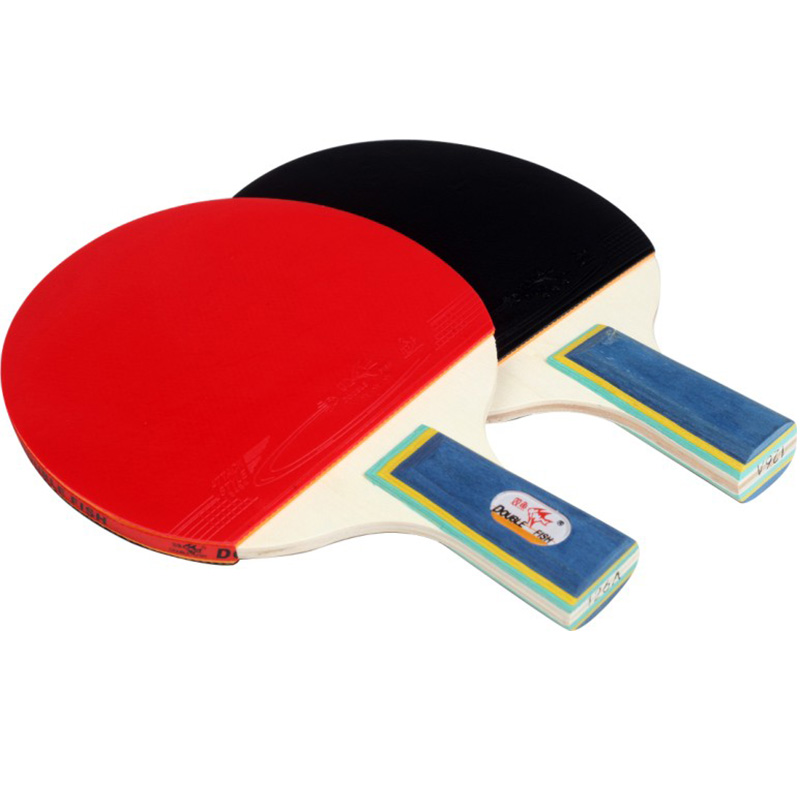
When you pick up a table tennis racket for the first time, you want it to feel natural in your hand. A comfortable and secure grip helps you control your shots and keeps your wrist relaxed. Most beginners start with the shakehand grip. This grip is popular because it gives you flexibility and control. You can move your wrist easily and learn basic strokes without feeling awkward. Some players try the penhold grip, which works well for quick wrist movements and strong forehand shots. You might see this grip less often, but it’s still a good choice if it feels right for you.
Tip: Hold a few rackets in your hand before you buy one. If the handle feels too big or too small, you might struggle to play your best. Look for a handle that fits your palm and lets you swing freely.
Blade and Rubber for Learning
The blade and rubber on your table tennis racket make a big difference when you’re developing basic foundations. Coaches often recommend a Japan-style racquet for beginners. This type gives you a nice balance between control and feedback, so you can feel the ball and learn faster. Traditional materials in the blade help dampen vibrations, which means you get a smoother touch and better response. Many beginners like the Base Model because it’s easy to use and has a good bounce. You’ll notice that rackets with balanced spin and control help you improve your skills without making things too complicated. Picking the right rubber type also matters. Soft rubbers let you control the ball and add a little spin, which is perfect when you’re just starting out.
-
Japan-style racquet: Great for control and feedback
-
Traditional blade materials: Smooth touch and vibration damping
-
Base Model: Easy to learn with, good bounce
-
Balanced spin and control: Helps skill development
Weight, Balance, and Durability
You want a table tennis racket that feels light and easy to move. Lighter blades help you swing quickly and react to fast shots. If your racket feels balanced, you can play longer without getting tired. A head-heavy blade might slow you down and make your arm ache after a while. Durability also matters. You don’t want your racket to break or lose its bounce after a few games. Look for rackets that use strong materials and have good reviews from other beginners.
-
Lighter blades: Easier to maneuver
-
Balanced setup: Better agility and control
-
Avoid head-heavy blades: Prevents fatigue
-
Durable materials: Last longer and keep performance steady
Affordable Quality Options
You don’t need to spend a lot of money to get a good table tennis racket. Many affordable rackets offer great quality and help you learn the game. Sales data shows that beginner rackets with lower prices sell more, so you’ll find lots of choices. Basic rackets for social situations are popular because they’re cheap and easy to use. Aluminum rackets cost less and attract many new players. Still, you shouldn’t sacrifice quality just to save money. Some rackets under $40 work well and last a long time.
Here’s a table with some top-rated beginner rackets:
|
Racket Name |
Description |
|---|---|
|
Eastfield Allround Table Tennis Bat |
Designed for control, spin, and feeling, ideal for beginners. |
|
Palio Expert 3.0 Table Tennis Bat |
Best option under £30/$40, highly rated for beginners. |
|
DHS A4002 Table Tennis Racket |
Popular choice with better quality rubbers than basic models. |
|
Stiga Pro Carbon Table Tennis Racket |
Professional quality, helps you learn proper techniques. |
|
Palio Master 3.0 Table Tennis Bat |
Balanced for speed and control, suits different playing styles. |
You can also check out these recommended bats from experts:
|
Recommended Bats (UK) |
Recommended Bats (USA / Rest of World) |
|---|---|
|
BRIBAR Winning Loop Table Tennis Bat + Case |
Palio Expert Table Tennis Bat |
|
Palio Expert Table Tennis Bat |
JOOLA Infinity Balance Racket |
|
Pro Spin Carbon Table Tennis Bat |
PRO-SPIN Ping Pong Paddle |
|
JOOLA T-bat Mega Carbon Table Tennis Bat |
Idoraz Ping Pong Paddle |
If you’re a novice, focus on rackets that help you learn and improve. You want something that feels good, lasts long, and doesn’t cost too much. The right ping pong paddle will make your first games fun and help you build your skills step by step.
Stepping Up Your Skills: Intermediate Racket Selection
Balancing Speed and Control
Now you are getting better at table tennis. You need a racket that fits your new skills. Intermediate rackets help you balance speed and control. Look at the rubber and blade when you pick a paddle. The rubber changes how fast and spinny your shots are. The blade affects speed and control too. The weight of the racket is important. If you want more speed, pick a stiff blade with a thick sponge. For more control, choose a paddle with a big sweet spot and a soft blade. Try rackets with different weights and balances. Pick the one that feels best in your hand.
Tip: If you want more accuracy, pick a racket with less speed and spin. When speed and spin go up, control usually goes down.
Upgrading Grip and Handle
The grip and handle shape can change your game. Many intermediate players switch to handles that fit their hands better. Here are some common choices:
-
Chinese Pendholder (CPH): Short and thin, good for wrist moves.
-
Anatomical Handle (AN): Fits big hands, feels full in your palm.
-
Concave (FL): Wider at the end, helps stop slipping.
-
Straight (ST): Simple shape, easy to change grips.
Pick a handle that feels good and lets your wrist move easily. Try different shapes to see what you like most.
Blade Materials and Rubber Types
Intermediate rackets use better materials than beginner ones. Some blades are wood, and some have carbon. Carbon blades give you more speed and power. Wood blades help you control the ball. The rubber also changes as you get better. Advanced rubbers help you make more spin and speed. Here is a quick chart:
|
Feature |
Beginner Models |
Intermediate Models |
|---|---|---|
|
Blade Composition |
Usually wood for control |
Wood or carbon for more speed and power |
|
Rubber Types |
Basic rubber for all-around play |
Advanced rubber for more spin and speed |
|
Overall Characteristics |
Easier to use, good for learning |
Made for different playing styles |
Many intermediate players like allround blades for control and accuracy. Offensive blades give you more speed but still let you control the ball. Some good rackets are Butterfly Andrzej Grubba, Yasaka Sweden Extra, and Stiga Allround Evolution.
Customization Tips
You can change your racket to fit your style. Try different paddles and rubbers to see what works best. Here are some options:
|
Paddle/Rubber Type |
Description |
|---|---|
|
Stiga Allround Classic |
Good for control, easy to use if you switch from premade paddles. |
|
Nittaku Micro / Butterfly Flextra |
Easy to play with, helps you get better. |
|
Yasaka Extra / BTY Primorac |
Good for medium speed and helps you fine-tune your game. |
|
Stiga ALLRound Evolution |
Balanced for many intermediate players. |
|
Stiga Energy Wood |
High quality, helps intermediate players play better. |
Try mixing different blades and rubbers until you find what you like. Customizing your racket helps you play your best and have more fun.
Advanced Table Tennis Racket Choices
Maximizing Spin and Speed
You want to play fast and add lots of spin. Advanced rackets help you do both. Coaches say you should look for a bat with a faster blade and faster rubbers. This setup lets you hit quick shots and create tricky spins. Many top players use custom setups. You can pick the blade and rubber that match your style. The right combination gives you more power and control over the ball.
-
Faster blades boost your shot speed.
-
Faster rubbers help you spin the ball more.
-
Custom setups let you fine-tune your racket.
Advanced Blade and Rubber Combinations
You need to think about how your energy moves through the racket. The blade and rubber do not make power on their own. They use your energy and turn it into speed and spin. The type of rubber and blade you choose changes how your shots feel. Some players like a soft feel, while others want a crisp, direct hit. A well-chosen bat becomes part of your hand. The materials in the blade and rubber shape your game. You can pick a high-quality ping pong paddle that fits your needs and helps you win more points.
Fine-Tuning Weight and Balance
You can improve your game by adjusting the weight and balance of your racket. Advanced players show better technique when they fine-tune these details. You get quicker shots and move faster around the table. Good balance helps you stay steady and make fewer mistakes. You also control your footwork better. When you find the right setup, you hit more accurate shots and feel more confident.
-
Fine-tuning weight improves your stroke technique.
-
Better balance leads to faster movement and fewer errors.
-
You gain more control over your shots.
Customization for Playing Style
You can make your racket fit your style. Here are some ways advanced players customize their rackets:
|
Customization Aspect |
Description |
|---|---|
|
Type of Wood |
Choose from many types for more speed or control. |
|
Blade Size |
Pick small or large blades to change speed and balance. |
|
Handle Shape |
Try straight, flared, or C-PEN handles for your grip. |
|
Handle Length |
Use standard or longer handles for bigger hands. |
|
Balance Control |
Adjust the center of gravity with different handle thickness and grip material. |
You can also look at higher end options for outdoor table tennis if you play outside often. These rackets last longer and handle tough weather. Customizing your racket helps you play your best and enjoy every match.
Recreational Table Tennis Rackets for All-Round Players
Balanced Performance Features
You want a racket that can do many things. All-round rackets give you speed, spin, and control. You can play offense and defense with one paddle. These rackets help you try new shots and styles. If you play with friends or family, you need a paddle for everyone. Balanced rackets make games fun for all skill levels. You do not have to worry about your racket slowing you down.
Tip: Pick rackets called “all-round” or “recreational.” They are good for casual games and have balanced features.
Versatility in Grip and Handle
You might want to change your grip during a game. Some people use the shakehand grip. Others like penhold or Seemiller grip. Handles that work for many grips help you switch easily. This lets you control the ball and try new shots. You can change your style or react to the ball’s bounce. Here is how grip and handle versatility helps you: You can change your style for better control. You can try grips like Hybrid Penhold or Seemiller for more shots. You can play against different people and adjust to new conditions.
If you want to get better, use rackets with handles that fit your hand. Make sure you can move your wrist easily.
Durability and Value
You want your racket to last, even if you play outside or with many people. Some recreational rackets are strong and can handle weather. Others have soft rubber for more control. You can find rackets that cost less but still work well. Check this table for some top picks from user reviews:
|
Paddle Model |
Durability |
Cost |
Features |
|---|---|---|---|
|
Cornilleau Nexeo X70 |
Weatherproof |
Moderate |
Good for spin, comfortable grip |
|
Kettler Halo |
Durable |
Higher |
Soft rubber, good control |
|
Cornilleau Tacteo 50 |
Weather resistant |
Moderate |
Waffle cone face, accuracy for beginners |
|
Stiga Flow |
Durable |
Low |
Affordable, good for recreational play |
|
Cornilleau Nexeo X90 |
Weather resistant |
High |
Carbon fiber blade, sponge backed rubber |
When you buy a recreational racket, think about how much and where you play. A strong, weatherproof paddle can save you money over time. You get to play more games and have more fun without worrying about damage.
Key Features Explained
Grip Types and Handle Shapes
You hold your racket by the ha





 Overseas business:(020)8431 9554
 +86 13829778212